
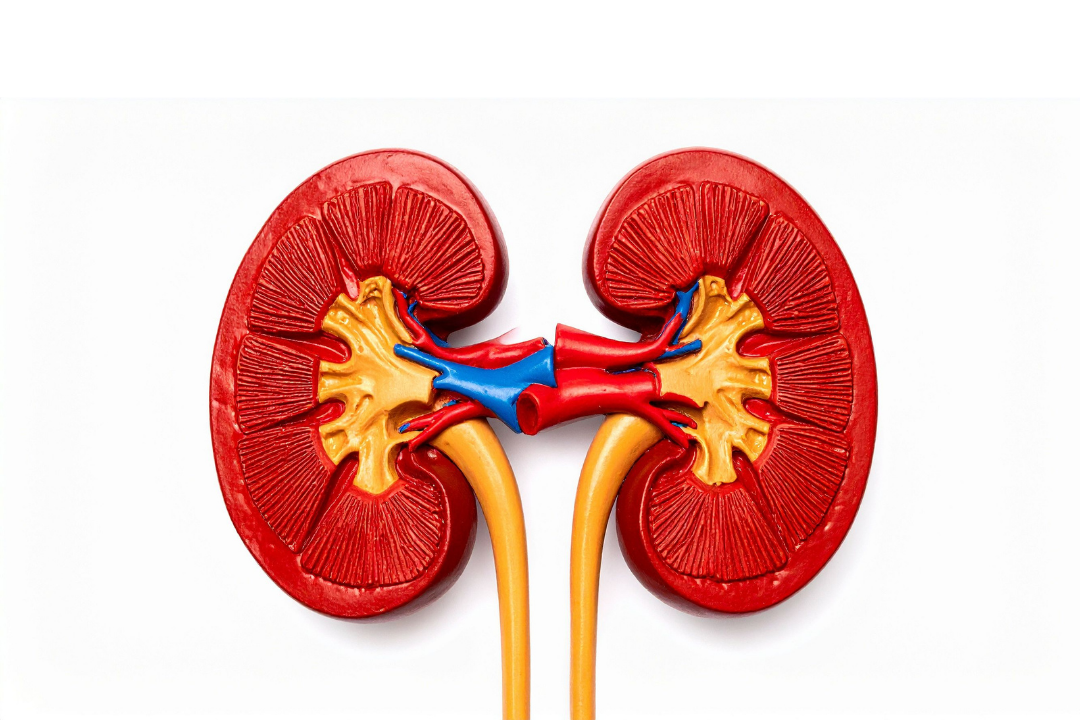
Your kidneys make up less than 1% of your body weight. Yet they receive 20% of all the blood your heart pumps. Around 1 litre every minute, non-stop.
When that blood contains sharp, sticky sickle-shaped cells, those tiny kidney vessels take damage with every single pass.
Most people don’t think about the role the kidneys play in their bodies until the kidneys stop playing that role.
As a doctor who’s seen patients at all stages of kidney disease, here’s what I want every sickle cell warrior to know.
The kidneys filter waste products out of your blood into the urine and keep good stuff inside your blood.
The filtering mechanism inside the kidney is an environment that promotes sickling.
Avoid your usual sickle cell triggers and the red blood cells here stay round.
But a little bit of dehydration, infection or dip in your oxygen levels can trigger sickling here. Probably not enough to cause pain crisis elsewhere in your body, but in the harsher environment of the kidney silent damage can take place.
Over time that damage results in good stuff that should stay inside the blood like protein leaking out of it into the urine.
This is a sign that the kidneys are struggling.
The medical name for this is Sickle Cell Nephropathy.
The tricky part is there are almost no early symptoms. By the time you notice something wrong, damage has already built up.
That’s why the steps below matter so much.
This is the most important one. Ask your team for:
A blood test to check your eGFR (kidney filtering rate)
A urine test to check for protein (urine ACR)
Make sure you’re having these tests even when you feel completely well. They can catch problems years before late stage symptoms appear.
High blood pressure speeds up kidney damage. The target in sickle cell is below 130/80. Even being slightly above this over a long period causes harm. If your blood pressure is high, speak to your doctor about treatment options.
Ibuprofen, naproxen and diclofenac are all NSAIDs (Non-Steroidal-Anti-inflammatory-Drugs). They all reduce blood flow to the kidneys. This adds extra stress on top of the damage sickling already causes. Try not to use them daily for more than 2 weeks without speaking to your doctor. If you have known kidney disease, avoid them completely.
Sickle cell affects the kidneys’ ability to hold onto water. This makes dehydration happen faster. Staying consistently hydrated protects your kidneys every single day, not just during a pain crisis.
There are more treatment options for sickle cell now than ever before. Medications that reduce sickling can also help protect your kidneys over time. If your treatment hasn’t been reviewed by a haematologist recently, it’s worth the conversation.
You don’t need to wait until something feels wrong. The best time to protect your kidneys is right now, before any damage appears.
Get tested. Stay hydrated. Know your numbers.
Stay Healthy,
Lewis


