
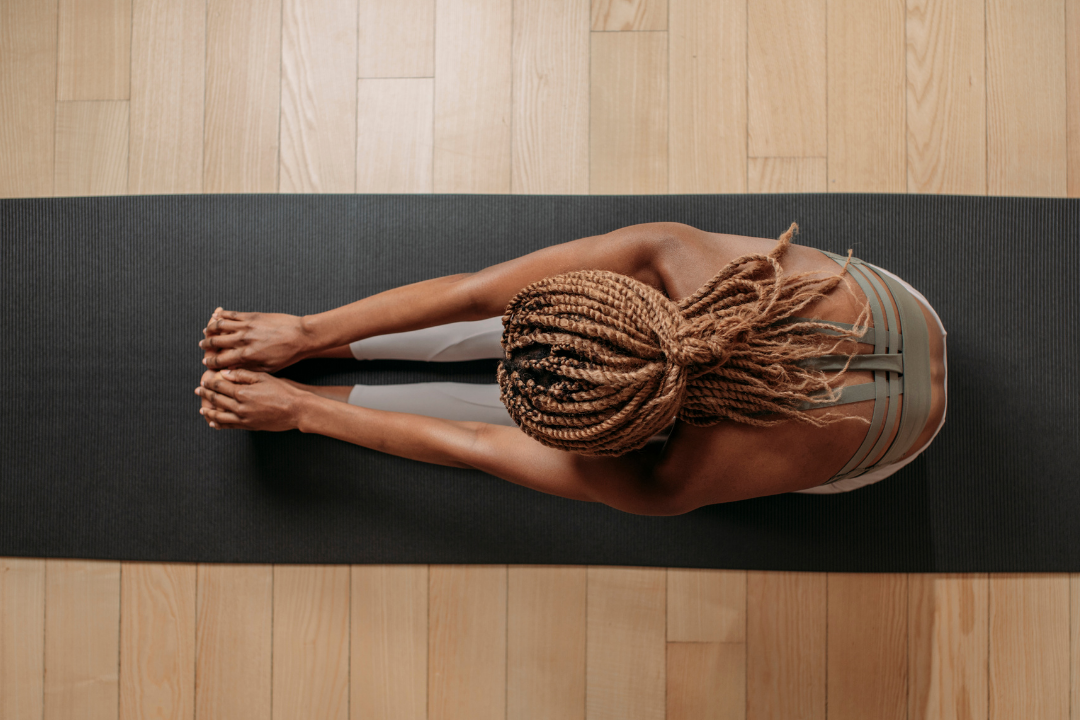
No pain, no gain.
That’s the classic idea of what exercise should be.
Most sickle cell warriors would have some questions about the “gain” part though.
Some are just grateful for no pain, period.
Exercise is a no, no.
Some however are determined to push through like everyone else… regardless of consequences.
The truth is neither side has it completely right.
The best approach to exercise sits somewhere in the middle.
And missing that balance is where many get into trouble.
Because the real question isn’t:
“Can I exercise with sickle cell?”
It’s:
“How much can my body tolerate before it starts to struggle?”
Exercise itself isn’t the problem.
In fact, avoiding it completely comes with its own risks.
Over time that can lead to reduced fitness, muscle loss, and even impact your mental wellbeing.
But sickle cell changes how your body responds under pressure.
When you exercise, your muscles need more oxygen to keep going.
If you push the intensity too high, or go for too long without rest, your body starts to build what we call an oxygen debt.
And once your oxygen levels drop below a certain point, your red blood cells are more likely to sickle.
That’s what makes exercise so problematic for sickle cell warriors.
The key idea I want you to take away is this:
Everyone has a different limit.
I call this your personal sickling threshold.
Some people can tolerate moderate exercise quite comfortably.
Others may find that even small increases in intensity tip them over the edge.
Which means there is no one perfect exercise plan that works for everyone with sickle cell.
And trying to copy what someone else is doing can sometimes do more harm than good.
Instead, the goal is to find your balance.
That usually looks like something much simpler than people expect.
Low intensity exercise can be as basic as:
If you can hold a conversation while doing it, you’re probably in the right range to start.
From there, make a commitment to consistency.
Don’t worry about making progress yet.
Just focus on showing up regularly.
For example:
If you feel okay, you’re good to go.
After a couple of weeks, you can gradually increase either the time or the frequency.
Not both at the same time.
If you prefer something like the gym, you don’t have to avoid it.
You just adapt it.
That might mean:
The key is giving your body time to recover before your oxygen levels drop too low.
That’s where rest becomes just as important as the exercise itself.
So build in pauses.
Give yourself time to catch your breath.
Stay well hydrated before, during, and after.
And avoid exercising in very hot or very cold conditions, where your body has to work even harder to keep things balanced.
When you understand your limits exercise doesn't have to be something you fear.
Remember the only goal is consistency. I recommend aiming for 8 weeks. This will unlock a gateway to further movement, strength and health improvements.
Without pushing yourself into a crisis.
Stay Healthy,
Lewis