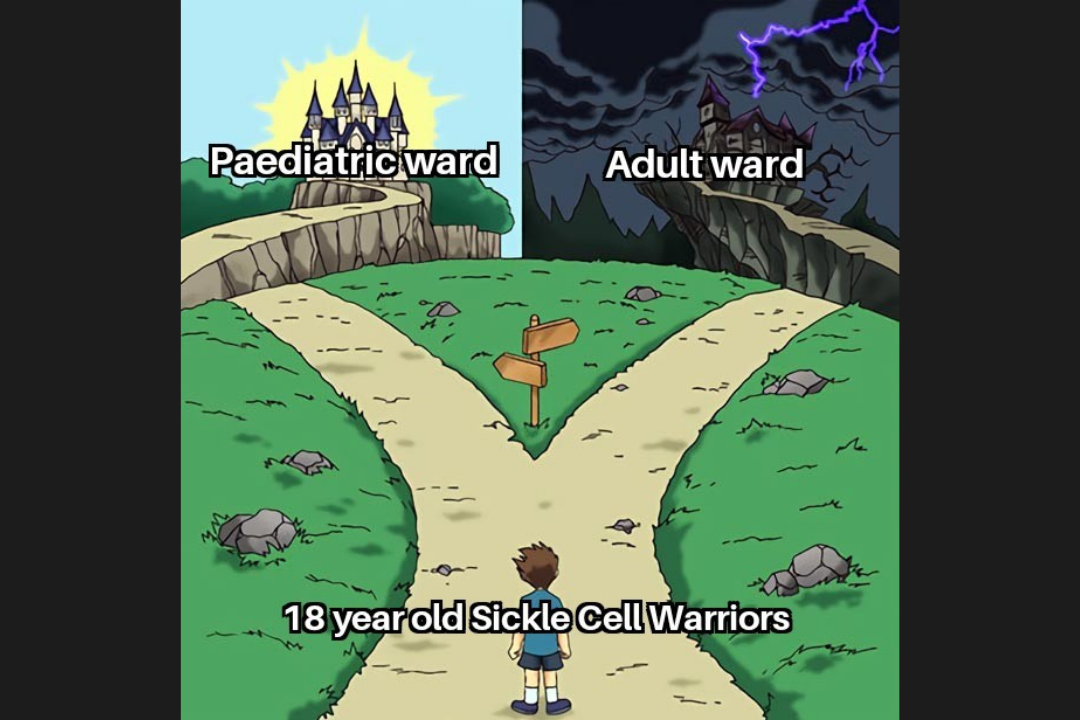
If you're a Sickle cell warrior receiving regular blood transfusions then read on.
As you may know blood transfusions raise the level of iron in your body.
This leads to iron overload as the iron has no way of getting out of the body. And with nowhere to go it gets dumped inside your organs. But like hair in the bathtub drain it starts to build up and cause problems for vital organs.
You may have had the thought 'Can I lower my iron level naturally?'
You're already putting all these medications and artificial things in your body -
And so you wanna handle this problem by yourself.
I love the intention but unfortunately this might not be the place for that.
When it comes to iron overload we need to consider the difference between slowing iron build-up and removing iron. This could save your organs.
Let’s break it down.
Chelation therapy is a fancy name for iron removal medication. It can be taken as a tablet or IV infusion. For example Deferasirox (Exjade or Jadenu) is a tablet that binds to excess iron in your blood like a magnet and removes it safely through urine or stool.
Ferritin is a measure of iron in the body. With moderate iron overload someone might have a ferritin level of 2,500 µg/L. If they start taking Deferasirox regularly they can lower ferritin by around 100- 300 µg/L per month. That means after 3 months, levels could drop to roughly 1,600-2,000 µg/L - a 20-35% reduction.
This prevents that excess iron from damaging vital organs like your liver, heart, and pancreas.
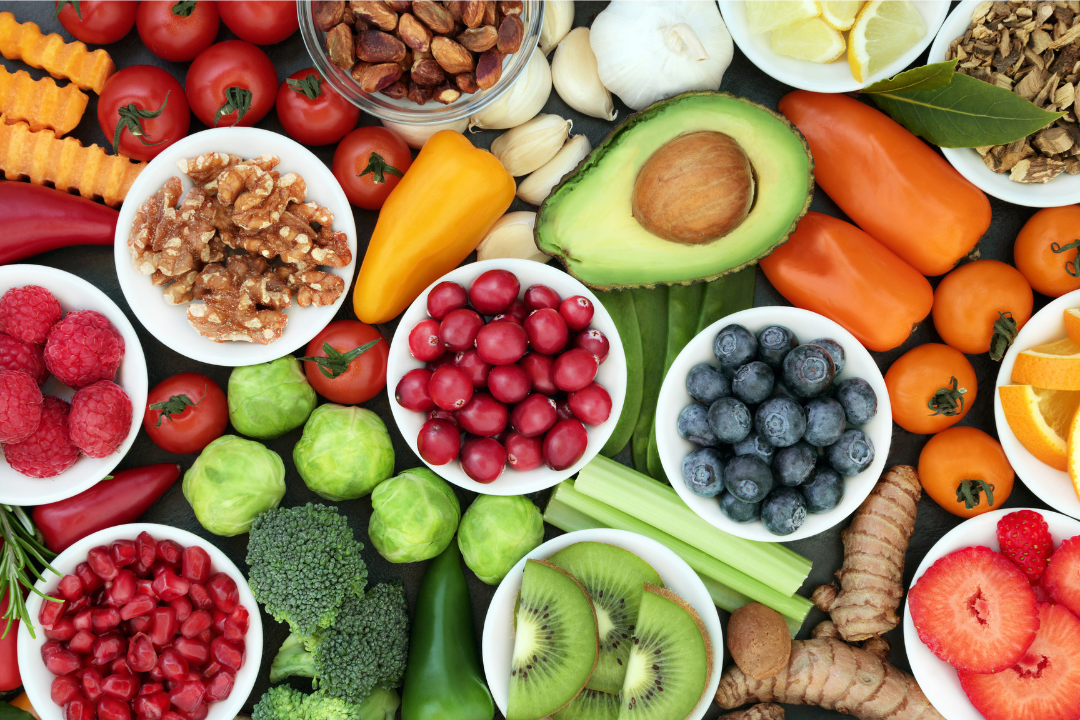
Now, let’s talk about diet. Here are some simple dietary tweaks that can reduce iron absorption by upto 60%.
🥩 Cut down on red meat: Swap beef or lamb for chicken, fish, or plant-based proteins a few times a week.
🍊 Avoid vitamin C with meals: Save your orange juice, smoothies, or fruit snacks for at least an hour after eating - vitamin C boosts iron absorption.
☕ Drink tea or coffee with food: The tannins in these drinks can block iron uptake.
🥛 Add calcium-rich foods: Include milk, yoghurt, or cheese with meals - calcium competes with iron and reduces absorption.
🌾 Eat foods high in phytates: Whole grains, beans, nuts, and seeds naturally limit iron absorption - an easy win for anyone already eating healthy.
But here’s the catch: Most of the excess iron in sickle cell comes from transfused blood, not your diet. Each transfusion adds roughly 250 mg of iron while food contributes less than 2 mg per day.
Even if you follow the best diet possible, your ferritin might only change by about 5% - from 2,500 µg/L to around 2375 µg/L. That's if it changes at all!
So all this is just to say that...
Dietary changes help prevent further iron build-up, but they can’t remove what’s already stored.
Only chelation therapy has been proven to safely remove iron from the body and prevent long-term complications.
So before deciding to go 'all natural' to manage iron overload you may want to give iron chelation therapy a go as well.
Stay Healthy,
Lewis