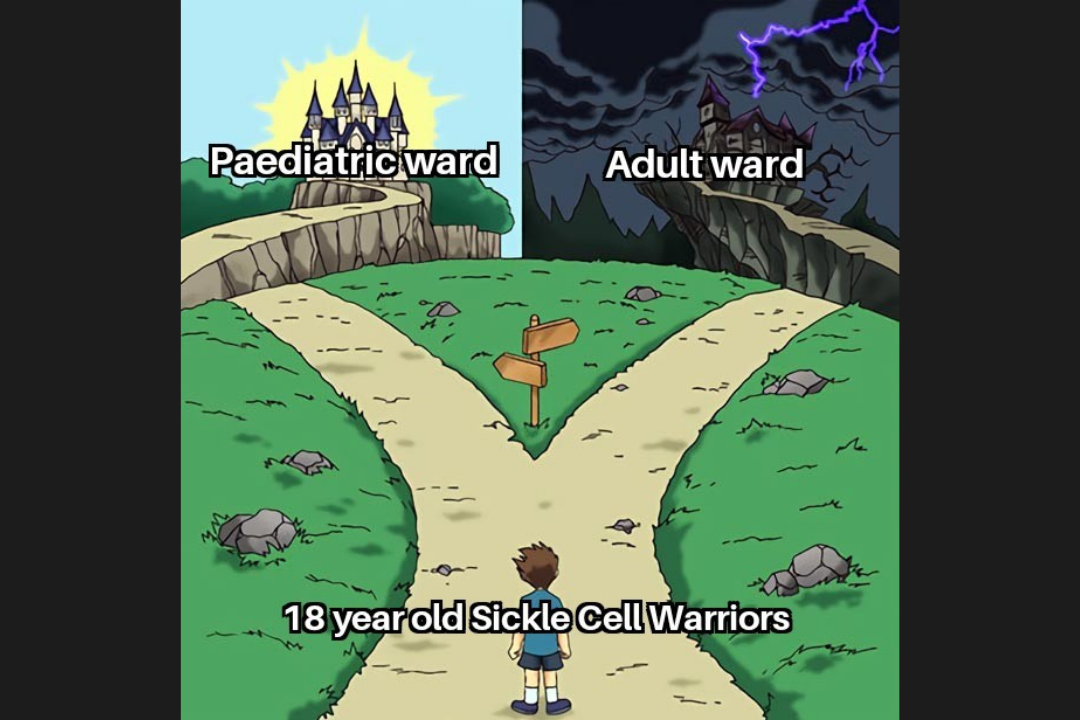

Do you know what hurts more than the pain of a sickle cell crisis?..
I'm not talking about any kind of physical violence.
What I'm talking about is the emotional pain that comes with not being believed.
Sickle cell pain is bad enough by itself, but when hospital staff refuse to accept your experience?
That's insult to injury.
Too often, sickle cell warriors enter hospital in severe pain only to be met with misunderstanding, racial bias, or plain neglect.
I’ve been there myself.
And I’ve learned that sometimes, getting the right care means standing up for yourself even when you’re at your weakest.
To help you do that here's 4 tips to remember if you end up in hospital by yourself with a sickle cell crisis:
1️⃣ Be prepared before you arrive.
Go to the emergency department straight after taking your last dose of your strongest pain medication at home. Note the time that you've taken it and inform staff. This gives them a clear baseline for what’s already been tried and hasn't helped. Now they can't use weak analgesia as 'trial' to avoid giving something stronger.
Severe pain requires strong opioid analgesia like morphine, oxycodone or hydromorphone. All major sickle cell guidelines say this should be administered within 30 minutes of a patient attending hospital.
2️⃣ Bring a copy of your care plan.
Never assume it’s accessible on the hospital computer. Systems crash, and not every doctor knows where to find it. A printed copy from your haematology team can save hours and removes any doubt about what’s appropriate for you. You may also be able to save it on your phone.
If you don't have an official care plan then any clinic letter from your haematologist is better than nothing. Having written evidence that you have sickle cell confirmed by another medical doctor can make a difference.
3️⃣ Guard against “time blindness.”
For busy medical staff every hour feels like a minute. But when you’re in pain, every minute feels like an hour.
If someone says they’ll return with pain relief, ask for a specific timeframe and set a timer. If it passes, politely remind them. It may feel uncomfortable, but it’s effective.
4️⃣ Know how to escalate.
If your pain is still not being managed, you have every right to ask for the senior nurse or on-call consultant. You can also contact your specialist haematology team directly to intervene.
Even if they're unable to attend immediately, informing them of the situation will help strengthen your evidence for a formal complaint. Speaking of which you should always request names of staff treating you innappropriately to prepare for a complaint. It shouldn’t come to that, but sometimes, it has to.
These are just four of many ways to protect yourself and ensure your pain is taken seriously.
Stay Healthy,
Lewis