
Many parents of sickle cell warriors worry about their kids living normal lives.
They stay alert for any sign of difference between them and other children.
It's like the world is a game of spot the odd one out and no one wants their child to be spotted.
Sickle cell is mostly an invisible illness. So most of the struggles and challenges can be dealt with in private.
However when it comes to outward physical characteristics there is no where to hide from the external judgements of others.
And some parents are understandably sensitive to this.
So let me help to reassure you on this matter.
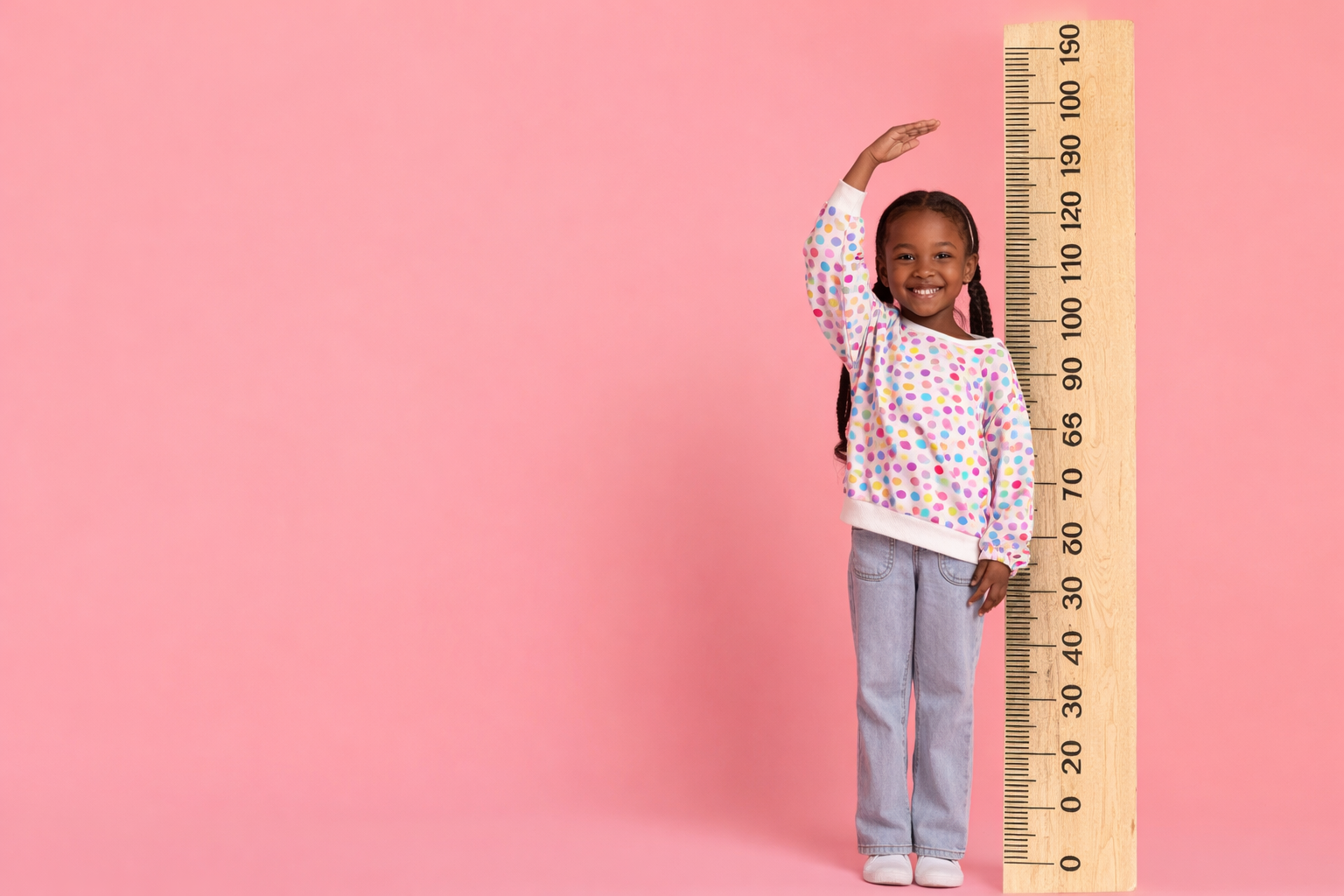
It's entirely normal for children with sickle cell to be smaller than their peers.
This is because they need to use more energy and nutrients to constantly replace the red blood cells that are breaking down.
And so there is less energy left over for them to grow as quickly as other children do.
This doesn't mean that they won't grow at all. It just means that the speed of their growth will be slower than other children.
Their body is fighting an invisible battle everyday to deal with sickled red blood cells.
So getting taller and putting on weight isn't their body's main priority.
If you notice as a parent that your child is small then here's 3 tips:
1) Ensure they are eating a normal balanced healthy diet
There's no special diet to boost growth in sickle cell. It's more about ensuring they receive enough nutrients to prevent deficiencies.
2) Zinc supplements
Zinc deficiency is common in sickle cell and zinc helps children grow. Therefore it's recommended to take a daily zinc supplement of around 5-10 mg daily. If possible you can confirm the presence of zinc deficiency by asking your doctor to do a blood test.
3) Don't make them feel self conscious about their stature or weight.
They need to develop the self-esteem to accept the difference of life with sickle cell. This starts with you letting them know its okay for them to be different and that you still love them.
So if you follow this guidance you can be reassured that when they do eventually reach normal adult height they'll be confident and happy.