When you have Sickle Cell you're likely to have anaemia.
Red blood cells are broken down much faster than normal. This may bring your haemoglobin considerably below the normal level.
So you might reasonably wonder:
If low haemoglobin is a problem, why don't doctors simply give enough blood to bring it all the way back to normal?
The answer is that in sickle cell, higher isn't always better.
A blood transfusion doesn't just give you haemoglobin. It gives you whole red blood cells containing haemoglobin.
With a simple or 'top-up' transfusion, donor red blood cells are added to the red blood cells already circulating in your bloodstream.
That raises your haemoglobin and improves the blood's ability to carry oxygen. This is good.
But there is a limit.
The more red blood cells you pack into the bloodstream, the thicker the blood becomes.
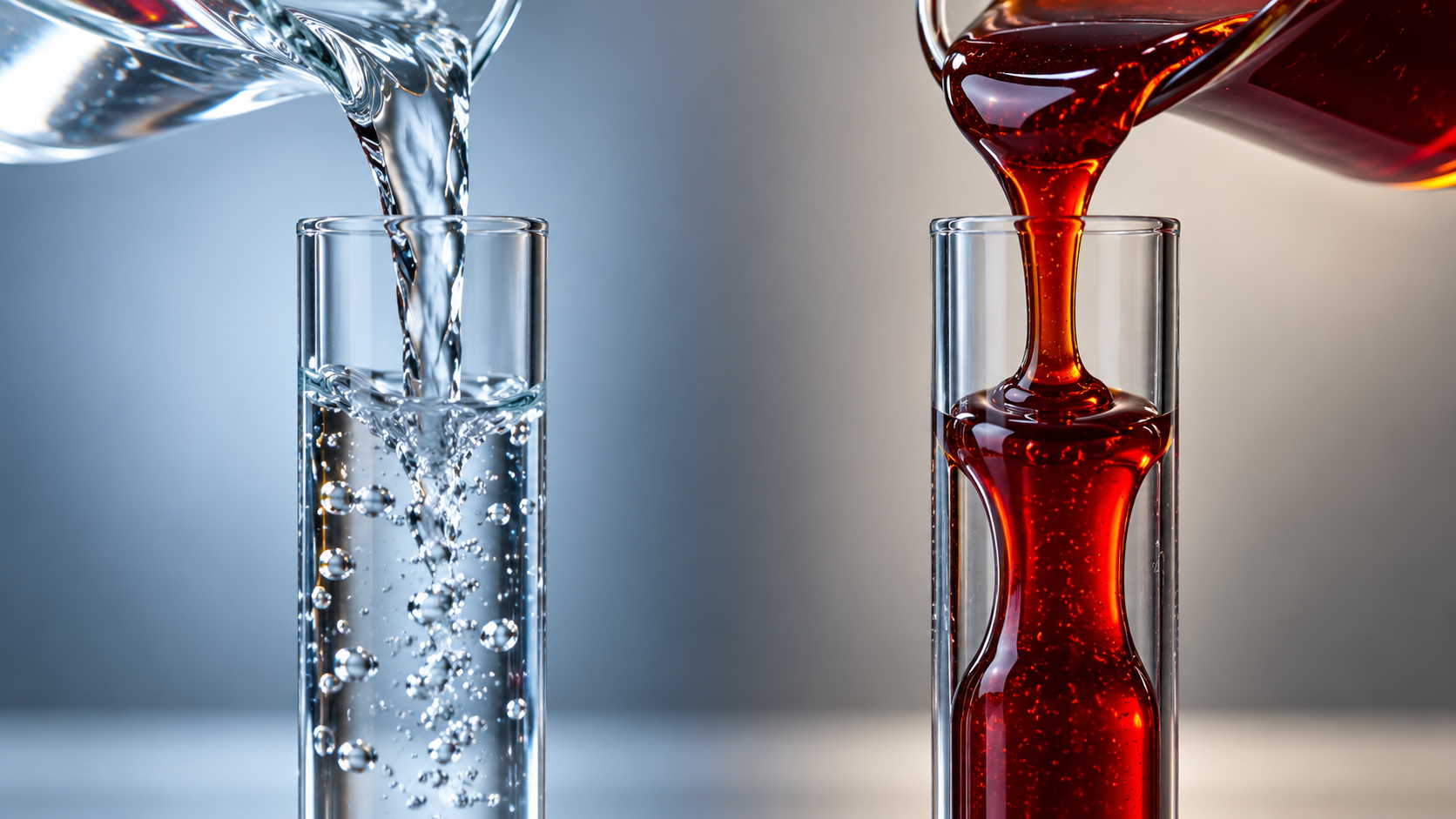
Think about water flowing through a straw compared with syrup. The thicker the liquid, the harder it is to push through a narrow space.
The longer red blood cells containing sickle haemoglobin take to move through small vessels the more likely they are to change shape.
When you have awkwardly shaped, inflexible sickled red blood cells in the mix, problems follow. Because the chances of cells getting stuck and creating a crisis increases
If haemoglobin is pushed too high with a simple transfusion the increase in blood thickness can eventually work against you.
That's why doctors don't simply chase a 'normal' haemoglobin number. In many situations involving simple transfusion, they deliberately keep the post-transfusion haemoglobin around 10 to 11 g/dL rather than pushing it much higher.
An exchange transfusion removes some of your own red blood cells while replacing them with healthy donor cells. This way you're not just packing more red blood cells into those small vessels.
This changes two things at once.
Cells are being removed as others are added. Overall the total number of red blood cells doesn't increase as much.
Exchange transfusions can be extremely useful when doctors need to reduce sickling quickly.
That's why they are used to treat emergency complications like severe acute chest syndrome or stroke.
Exchange transfusions can also be used as a regular treatment for some people to prevent serious complications.
Availability and accessibility of exchange transfusions varies considerably between healthcare systems and countries.
The reason?
-They're more expensive.
-They require specialist equipment called an apheresis machine.
Manual exchanges are also possible when automated exchange isn't available. However the process still requires trained staff and significantly more donated blood.
So the important lesson is this:
When giving a simple transfusion in sickle cell, your healthcare team needs to be careful not to push the haemoglobin too high and make the blood excessively thick.
The aim is not to reach a "normal" haemoglobin at all costs.
It's to give enough blood to safely treat the anaemia while still allowing the blood to flow freely.
And that is one of the most important differences between transfusing someone with sickle cell and transfusing someone without it.
Stay Healthy,
Lewis