
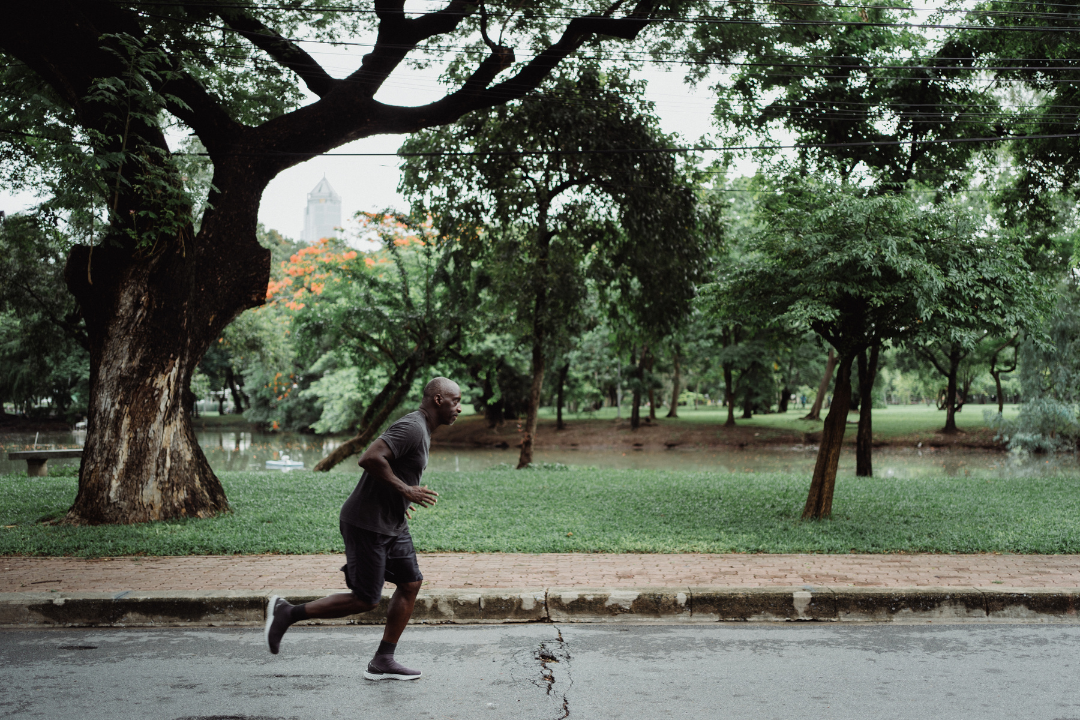
Staying fit with sickle cell isn’t straightforward – here’s what I’ve learned.
When I was younger, basketball was my whole world. I trained hard, got selected for national trials, and believed that the fitter I became, the closer I’d get to my dream. But the fitter I got, the more sickle cell crises I had. Every time I started to feel strong, I’d be knocked right back to square one.
It never made sense to me until I studied medicine and finally learned what was going on inside my body.
When you train regularly, your body adapts by producing more red blood cells to carry oxygen. For most people, that’s a great thing. But in sickle cell, it means thicker blood – or a higher haematocrit/PCV.
Thicker blood moves more slowly through tiny blood vessels, especially in the bones and joints. During intense workouts, when those tissues are demanding more oxygen, the reduced flow can cause sickling right where you need oxygen the most.
The result? Pain, crisis, and weeks of recovery.
So while exercise is vital for long-term health, it’s about training smart, not just training hard.
Here are some principles I live by now:
✅ Hydration is non-negotiable – drink at least 2 litres of water prior to any workout. Not all at once or you'll probably throw up. But gradually over a couple hours so that your urine appears completely clear like water.
✅ Avoid over-exertion – This may be a bitter pill to swallow, but always do slightly less than you feel capable of. Don't try and be a hero and push for PBs!
✅ Rest when you’re run-down – illness or fatigue are major red flags. Resting will give you more workout days in the long run.
✅ Consistency beats intensity – daily light-to-moderate activity works better than short bursts of extreme high intensity.
Personally, I’ve found balance through yoga, body-weight exercises, walking and cycling. My goal now isn’t to “push limits” but to expand capacity safely over time.
Also staying on Hydroxyurea has helped me avoid exercise-related crises. Because it slightly reduces the thickness of the blood by suppressing the number of blood cells present.
The truth is, living with sickle cell means constantly calibrating that fine line between strength and strain. Fitness is still possible - but the goal isn’t to be the fittest person in the room; it’s to stay fit enough to enjoy your life, your work, and your purpose.
Stay Healthy,
Lewis